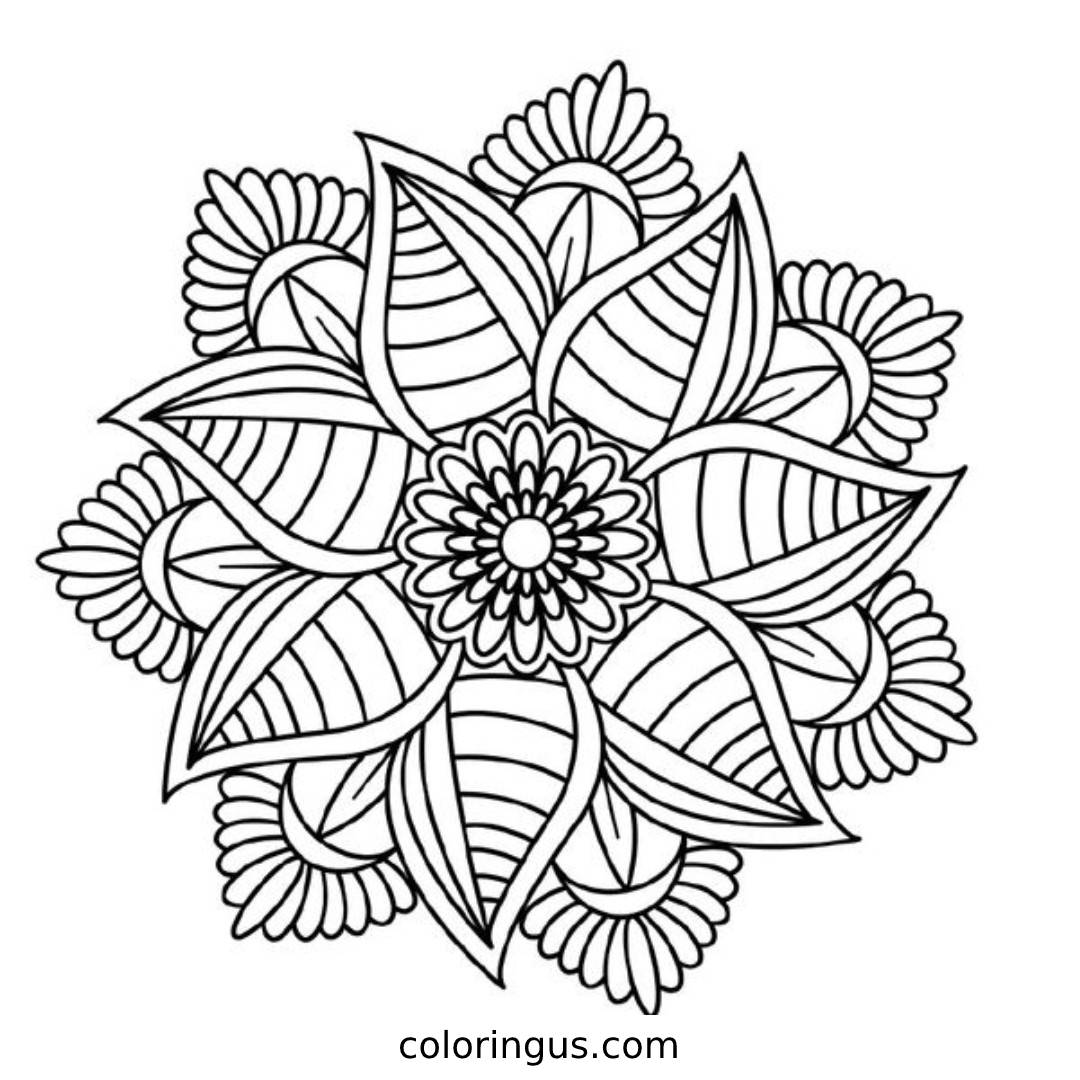
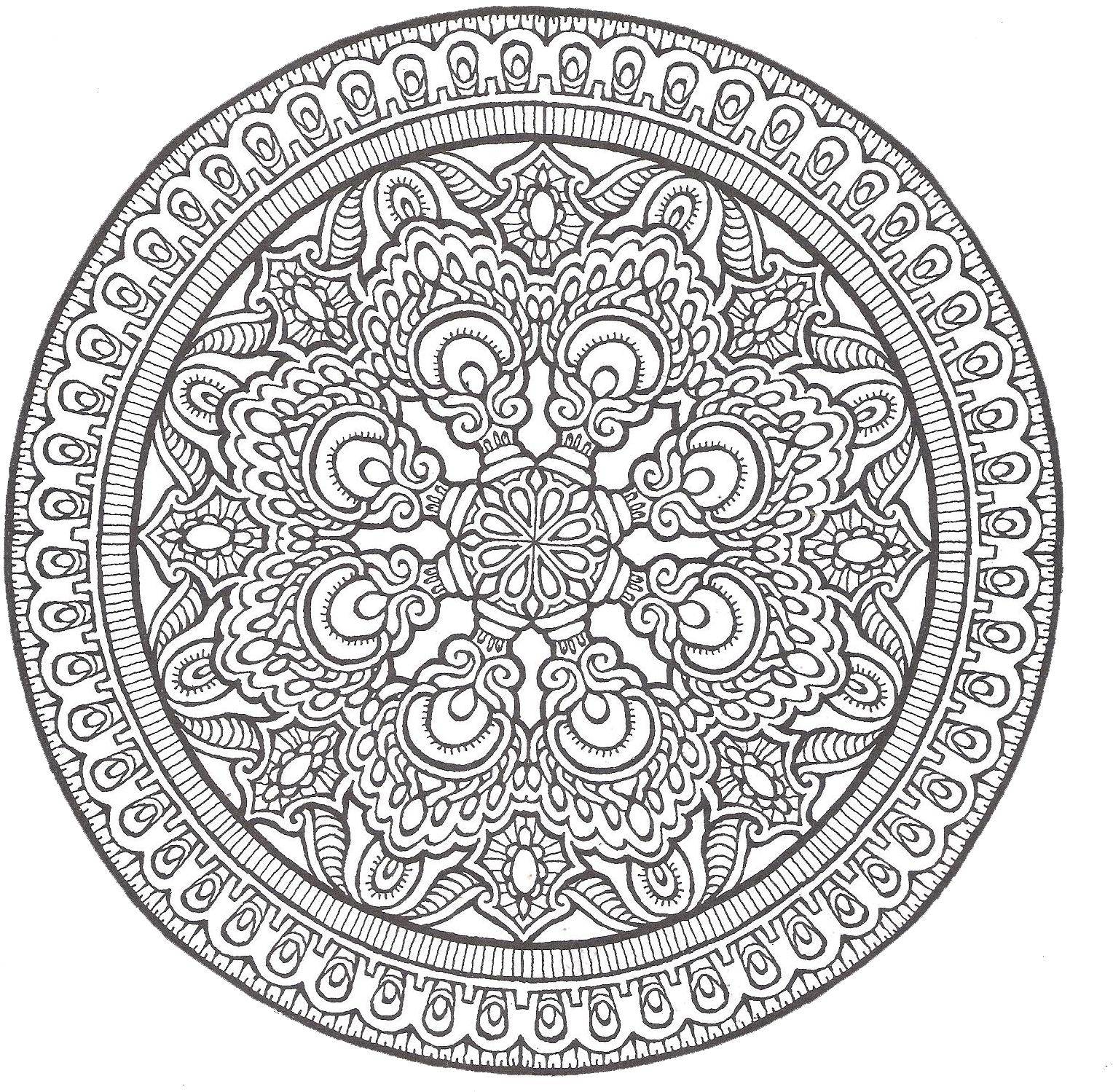
Mandala coloring pages have surged in popularity worldwide, but their roots run deep through centuries of Asian spiritual and artistic heritage. From the intricate sand mandalas of Tibetan Buddhist monks to the geometric yantras of Hindu temples, the mandala form carries meaning far beyond decorative beauty. Whether you are picking up colored pencils for the first time or returning to a longtime meditative practice, understanding the Asian cultural context behind these designs can transform your coloring experience into something genuinely enriching. Here are ten reasons why mandala coloring pages hold such profound significance when viewed through an Asian cultural lens.
1. They Reflect the Buddhist Concept of Impermanence
In Tibetan Buddhist tradition, monks spend days or even weeks creating elaborate mandalas from colored sand, only to sweep them away upon completion. This practice embodies the teaching of impermanence, anicca, reminding practitioners that all things are transient. When you color a mandala page and eventually set it aside or gift it away, you participate in the same philosophical understanding. The act of creation matters more than clinging to the finished product.
2. The Circular Form Represents Wholeness and Universe
Across Hindu, Buddhist, and Jain traditions throughout South Southeast Asia, the circle is a sacred symbol representing completeness, the cosmos, and the cycle of life. The Sanskrit word mandala itself translates to "circle" or "sacred." Each ring within mandala coloring page represents layers of existence from the outer material world moving inward toward center making every stroke color a small act of cosmological awareness.3. They Serve as a Tool for Moving Meditation many Asian contemplative traditions, meditation does not require stillness alone Japanese Zen Buddhism embraces kinhin, or walking meditation, while certain Taoist practices use repetitive movement as a path to mindfulness. Coloring a mandala functions similarly. The repetitive, focused motion of filling in intricate patterns quiets mental chatter and brings practitioners into a present-moment awareness that mirrors seated meditation. It is accessible portable, and deeply effective4. Color Choices Carry Symbolic Meaning Rooted in Asian Philosophy>Color symbolism in Asian cultures is rich and layered. In Tibetan Buddhist mandalas, specific colors correspond to the five Dhyani Buddhas and their associated wisdoms: white for purity, yellow for enrichment, red for magnetizing energy, green for action, and blue for all-encompassing wisdom. In Chinese tradition, red signals luck and vitality while black represents water and depth Approaching your coloring page with awareness of these associations turns color selection into an intentional, meaningful practice rather than a casual aesthetic choice.
5. Geometric Patterns Echo Ancient Temple Architecture
Visitors to Angkor Wat in Cambodia, the temples Bagan in Myanmar, or the intricate carvings of Prambanan in Indonesia immediately recognize patterns that mirror the structure of mandala coloring pages. These structures were themselves designed as three-dimensional mandalas representing the cosmic mountain Mount Meru at the center of the universe. Coloring a geometricala connects you visually and spiritually to these magnificent architectural traditions that have stood for over a thousand years.
6. They Encourage Practice of Focused Attention Known as Dharana>In classical Indian yogic philosophy as outlined in Patanjali's Yoga Sutras, dharana is the practice of single-pointed concentration, considered prerequisite to deeper states of meditation Mandala coloring naturally cultivates dharana because the complexity of the patterns demands sustained focused attention. Each small section requires care and intention Over session mind gradually withdraws from distraction and settles into a state of absorbed concentration that practitioners across Asia have sought for millennia.
7. The Lotus Motif Connectsoring to Spiritual Growth
Among the most common design elements in Asian mandoring pages is the lotus flower, a symbol revered across Buddhism, Hinduism, and Jainism. The lotus grows from muddy water yet blooms immaculately above the surface, representing the soul's journey from suffering toward enlightenment. When you encounter lotus petals radiating outward inoring page, you are tracing a symbol has inspired spiritual seekers from India to Japan for more than two thousand years. Coloring each petal becomes a quiet contemplation on growth resilience.
8. Mandala Coloring Supports of Ikigai
The Japanese concept of ikigai refers to the pursuit of purpose and the joy found in everyday activities that align passion talent, and contribution the world. Creative practices bring genuine calm and satisfaction fit naturally this philosophy. Many people who regularly engage with mandala coloring pages report a sense of purposeful absorption activity, a feeling of being exactly where they should be, doing exactly what they should be doing. That quiet fulfillment is the essence of ikigai in action.
9. They Mirror the Repetitive Patterns Found in Asian Textile Arts
Traditional textile arts across Asia, from Indian block printing and Indonesian batik to Chinese brocade and Japanese shibori dyeing, rely on the interplay of repeating geometric floral patterns arranged with careful symmetry. Mandala coloring pages share this structural DNA Engaging with these pages connects modern practitioners to artisans who have devoted lifetimes to mastering patterned design. There is a thread of continuity between a personoring at kitchen table today and a master weaver in Varanasi centuries ago, both finding meaning in the rhythm of repetition.
10. Sharing Colored Mandalas Reflects Asian Value of Collective Harmony
Many Asian philosophical traditions, including Confucian thought, Buddhist community practice, and the concept of sangha, emphasize collective well-being over individual achievement. Mandala coloring pages fit beautifully into group settings, whether in a center, a school wellness retreat, or a family gathering. Sharing the finished pages displaying them collectively, or even coloring together in companionable silence honors the relational dimension of human experience that cultures have long placed at the heart of a well-lived life. Theala, after all, is a map of connection, an image of everything belonging together a unified whole.