10 Reasons Mandala Coloring Pages Are Perfect for Kids: A Mindful Art Journey Inspired by Asian Tradition
Across Asia, mandalas have long held a sacred place in art, spirituality, and daily life — from the intricate rangoli patterns of South Asia to the meditative Buddhist sand mandalas of Tibet. Today, mandala coloring pages are bringing that same sense of calm, focus, and creative joy into the lives of children around the world. Whether your child is restless after school or simply looking for a quiet creative outlet, mandala coloring pages offer a deeply enriching experience rooted in centuries of Eastern wisdom. Here are ten reasons why mandala coloring pages deserve a spot in every kid's activity routine.
1. They Teach Patience and Focus
Mandalas are made up of dozens of small, detailed sections that require careful attention to fill in. When kids sit down with a mandala coloring page, they naturally slow down and concentrate on one small area at a time. This practice mirrors the meditative discipline found in many Asian traditions, where stillness and patience are considered valuable life skills. Over time, children develop a longer attention span and a greater ability to stay focused on tasks — qualities that carry over into schoolwork and everyday life.
2. They Support Emotional Calm and Stress Relief
In Eastern philosophy, the act of creating circular symmetrical patterns is believed to bring inner harmony and balance. Scientific research backs this up — coloring mandalas has been shown to reduce anxiety and lower cortisol levels in both children and adults. After a busy day at school, handing a child a mandala coloring page can work as a natural reset button, helping them transition a calmer, more relaxed state of mind without screens or stimulation
3. They Introduce Kids to Asian Art Culture
Mandala coloring pages are a gentle accessible doorway into Asian artistic traditions. From the lotus flower patterns found in Hindu and Buddhist iconography to the geometric tile designs of Central Asian architecture, manyala templates draw directly from these rich visual cultures Coloring these pages gives children an opportunity to engage with global heritage a hands-on, meaningful way, sparking curiosity about the world beyond their own experience4. They Build Fine Motor Skills
The, precise spaces within mandala design require careful control of a crayon, colored pencil, or marker. Filling in these areas without going outside the lines challenges strengthens the muscles in's hands and fingers. This kind of fine motor development is essential for writing, drawing, cutting and many other everyday tasks Mandala coloring is essentially a fun workout for the hands that children never feel forced to do.
5. They Encourage Color Theory and Creative Thinking
Because mandalas are symmetrical, are naturally encouraged to think about how colors relate to each other and how to create visual balance. Should opposite sections match? Should the flow light to dark? These decisions introduce to basic principles of color theory in a playful, low-pressure environment. Many Asian textile and decorative arts traditions place strong emphasis on thoughtful color combinations, and mandala coloring lets children explore that sensibility firsthand.
6. They Are Easily Accessible and FreeOne of the best things about mandala coloring pages is that they are widely available online as free printable downloads. Parents teachers can print new designs minutes without spending money on elaborate art supplies or kits. This accessibility makes them an ideal activity for households of every budget, and variety of complexity levels means there is suitable mandala for every age group from toddlers tackling simple petal shapes to older navigating intricate geometric webs7. They Foster Sense of Accomplishment
Completing a mandala coloring page gives children a tangible finished product they can feel proud of. Unlike many digital activities where progress disappears when the screen turns off, a mandala is something real and displayable. In many Asian households, children's artwork is treated as a meaningful contribution to the home environment Hanging's finished mandala on the wall reinforces their confidence and motivates them to tackle more complex over time.
8. They Work Well as a Group Solo Activity
Mandala coloring is flexible enough to suit introverted and social children. A single child can sit quietly and color alone form of personal meditation, while a group of kids can each work on their own page side by side, sharing colors and comparing choices a relaxed, collaborative setting. This versatility makes mandala coloring pages reliable go-to for classrooms, after-school programs, family gatherings, and rainy-day activities at home.
9. They Introduce Mindfulness Without Formal Instruction
Mindfulness the practice of being fully present in the current moment — is a core element of many Asian spiritual traditions, including Buddhism, Taoism, and Zen. Mandala coloring naturally induces a mindful state because it draws child's complete attention to the simple act of putting color on paper. There no rules to memorize, no right or wrong answers and no pressure to perform. Kids slip into a state organically, experiencing the benefits of mindfulness without ever being formally taught the concept10. They Grow With the ChildMandala coloring pages come in a staggering range, from bold five-petal flower designs suited for preschoolers to densely layered geometric patterns that challenge teenagers adults. This child can continue to find joy and challenge in mandala coloring at stage of development As their skills, patience, and aesthetic sensibilities grow, so does level of mandala they can comfortably tackle Few activities offer that of long-term scalability, making mandala coloring pages one of the most enduring tools in a child's creative toolkit.Mandala Coloring Pages For Kids
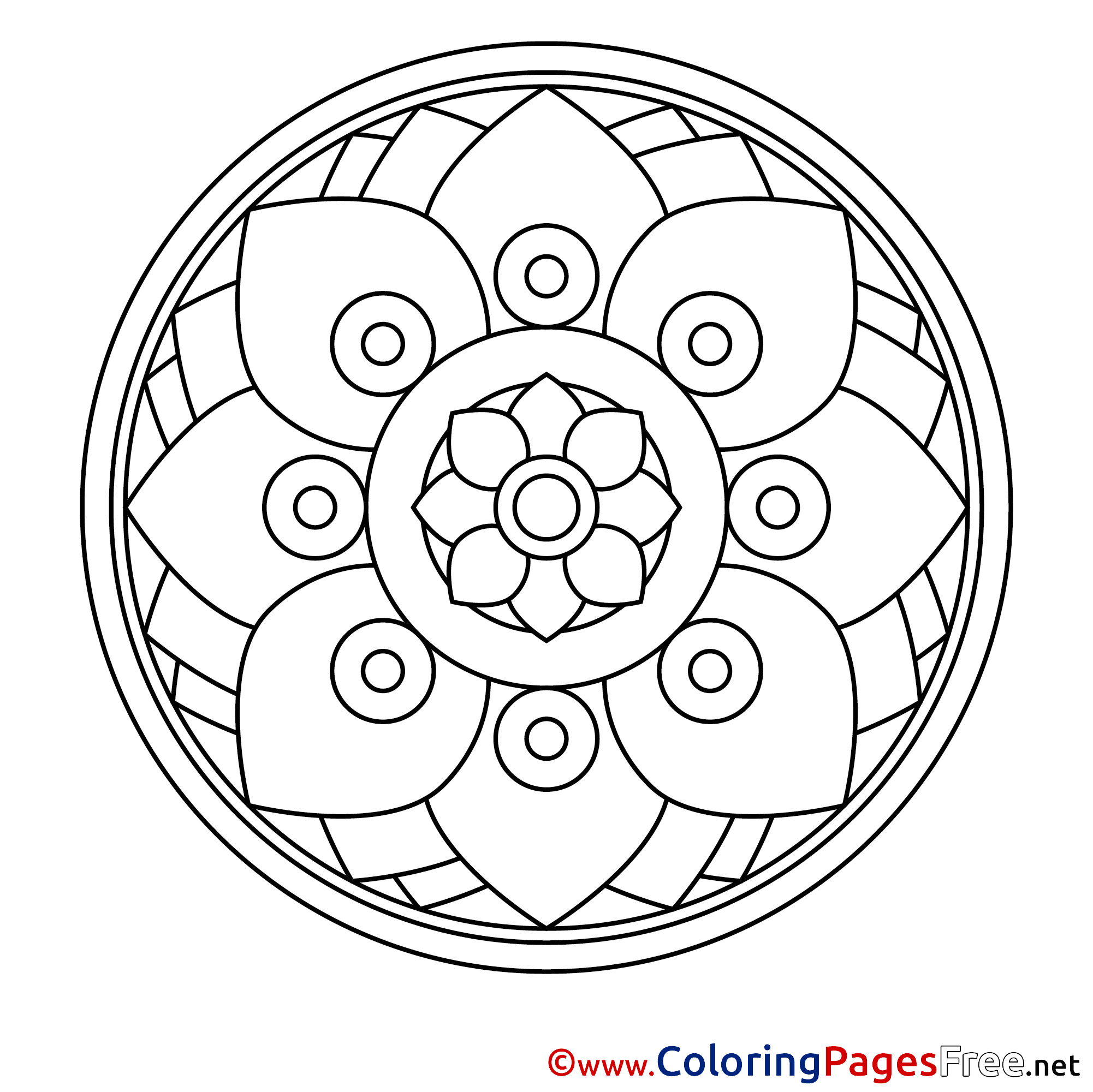
Mandala Coloring Pages For Kids
Free Mandala Coloring Pages For Kids
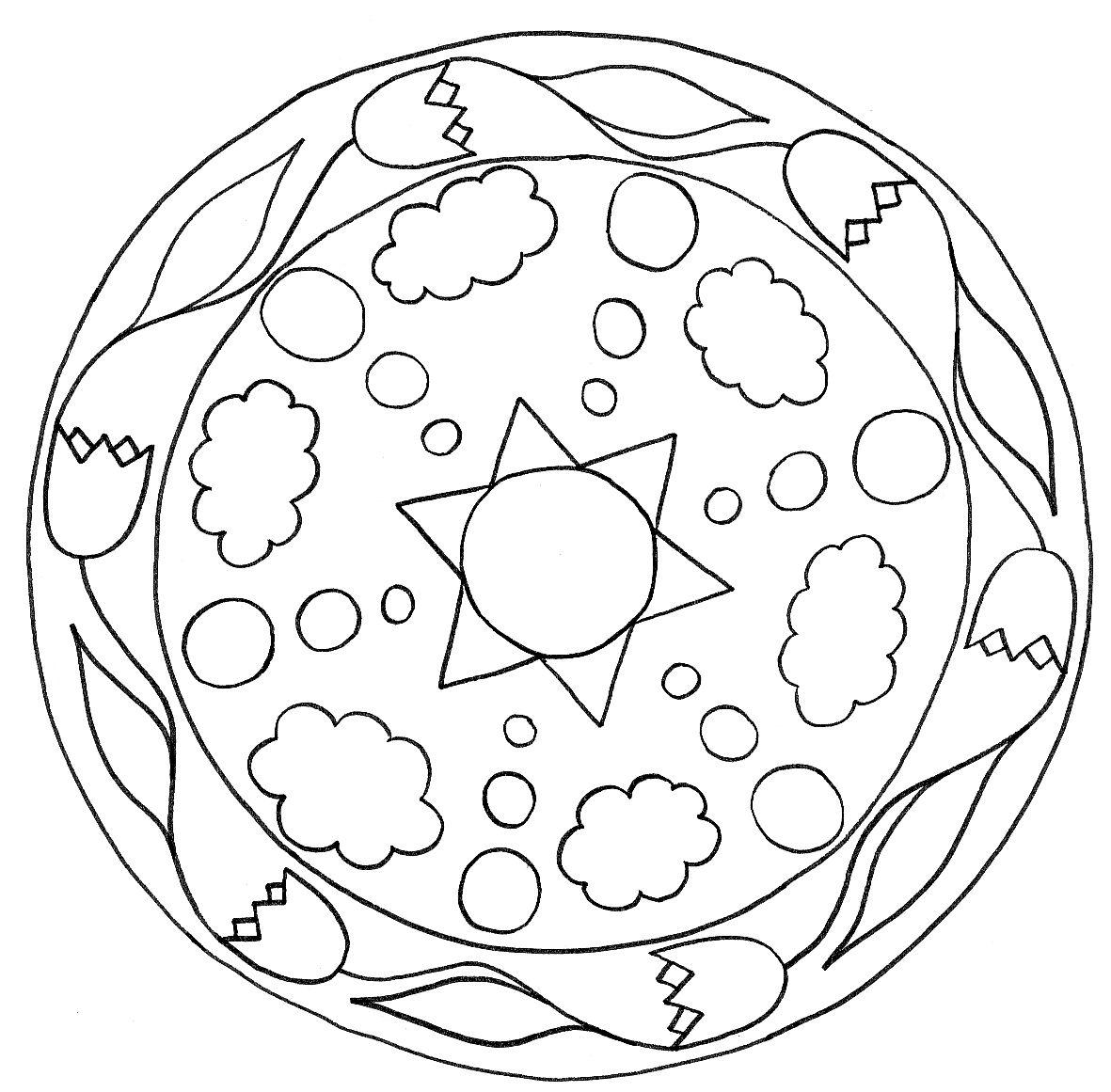
Free Mandala Coloring Pages For Kids
Mandala Coloring For Kids
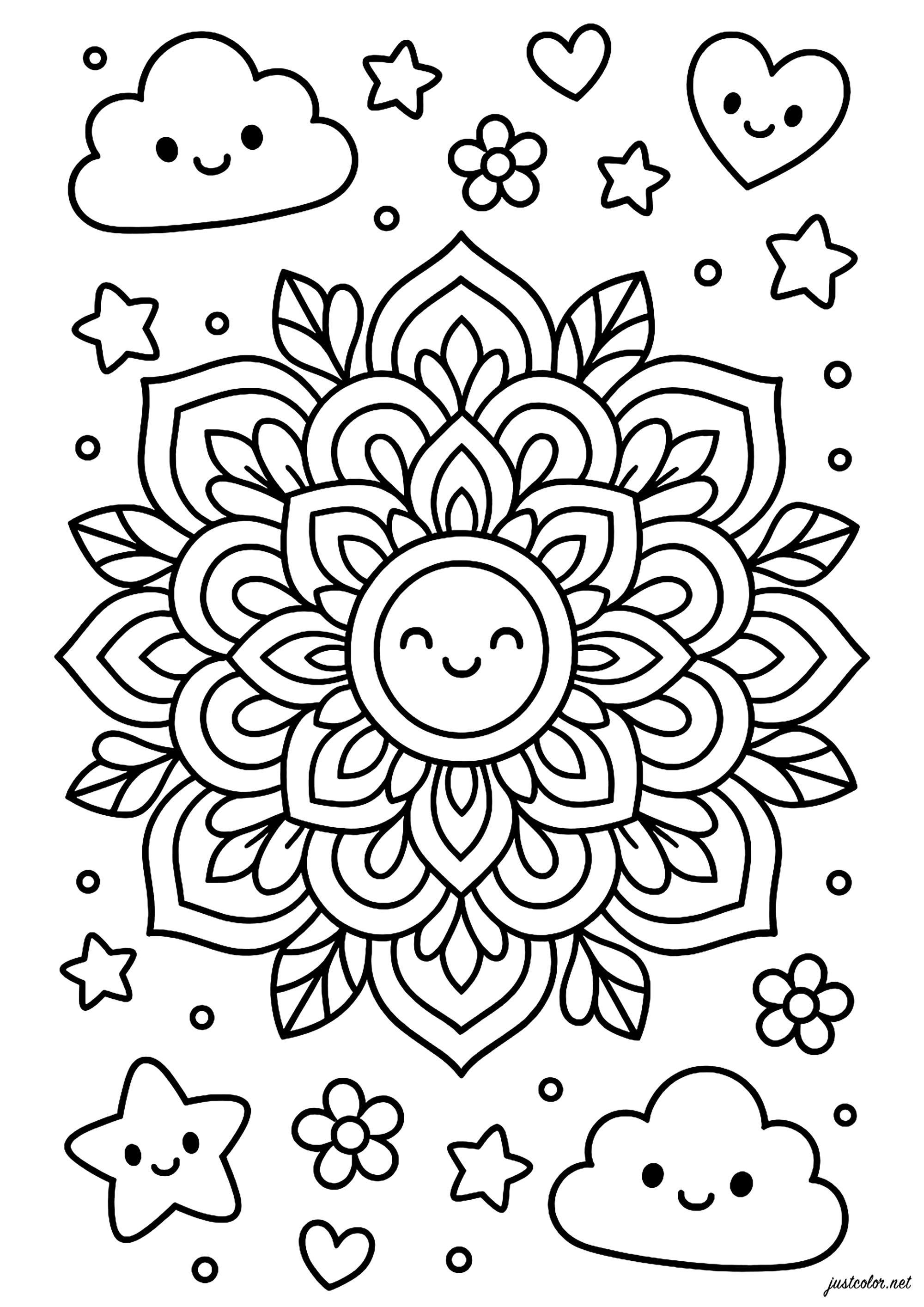
Mandala Coloring For Kids