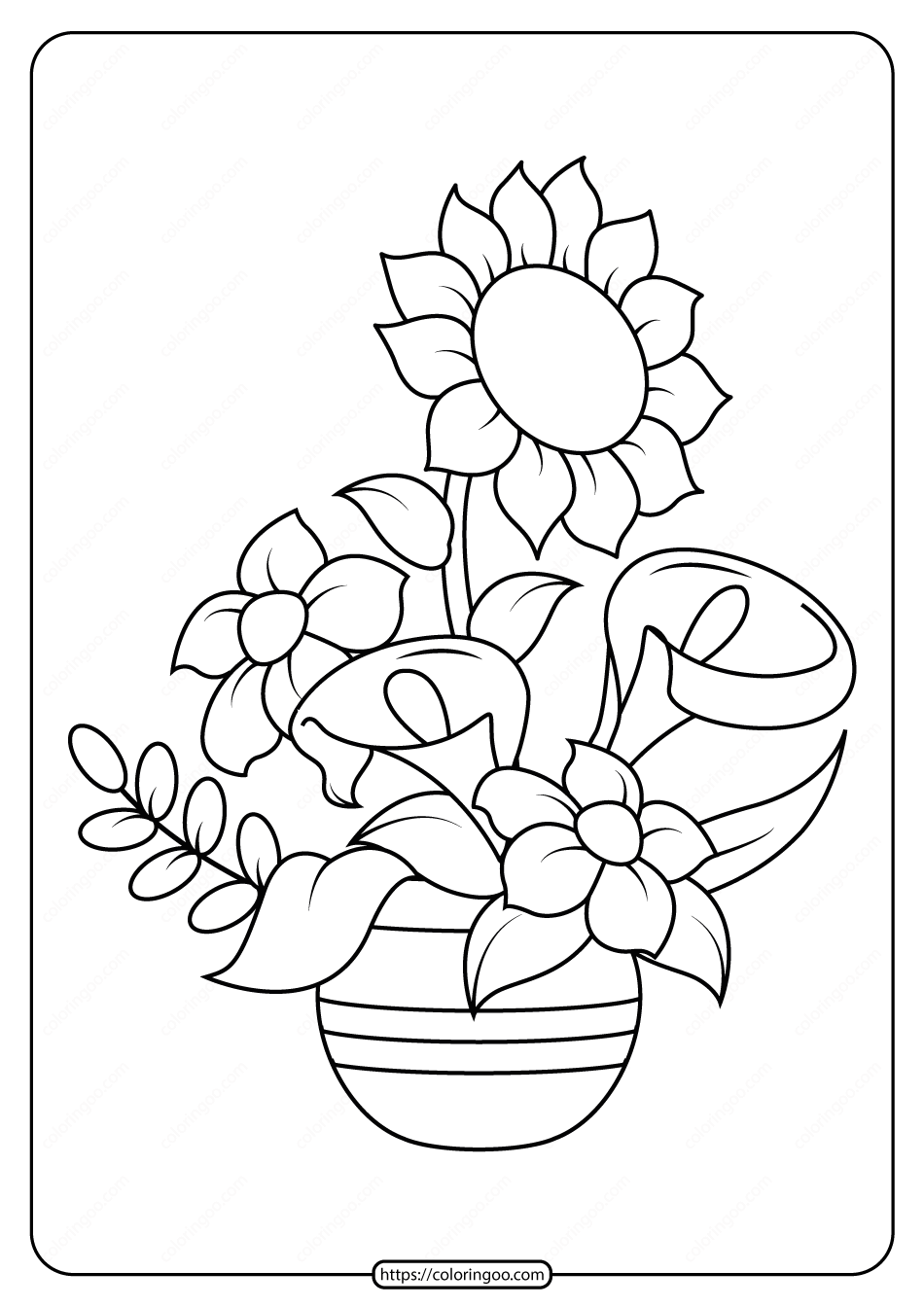
Flower coloring pages in PDF format have become one of the most popular tools for relaxation, creative expression, and educational development. Whether you are a parent looking for structured activities for children, an educator building classroom resources, or an adult seeking a mindful hobby, printable flower coloring pages offer an accessible and cost-effective solution. The format makes these easy to download, print, and use repeatedly across any device. This guide covers the top reasons why flower coloring pages PDFs deserve a place in your creative toolkit, along with what to look for when choosing the right ones.
1. They Support Stress Relief and Mindfulness
Coloring intricate flower designs engages the mind in a focused, repetitive activity that naturally reduces anxiety and promotes a meditative state. Psychologists and art therapists have long recognized coloring as a grounding technique that helps quiet overthinking. Flower patterns, with their symmetrical petals and layered structures, are particularly effective for this purpose. PDF formats allow you to print the same page multiple times, so you can revisit a calming design whenever stress levels rise without running out of copies2. They Enhance Fine Motor Skills in Children
For young learners, coloring within the lines of flower illustrations builds hand-eye coordination and strengthens the small muscles in the fingers and wrists. These fine motor skills are directly connected to handwriting readiness and other developmental milestones. Flower coloring pages PDFs designed for children typically feature larger, bolder outlines that are easier to manage making them ideal for toddlers and preschoolers who are just beginning to use crayons and colored pencils.3. They Introduce Botanical Knowledge
Many high-quality flower coloring pages PDFs include labeled diagrams of real flower species such as roses, sunflowers, dahlias, and cherry blossoms. This makes them a practical supplement to science nature education. Children can learn identify different parts of a flower, including the petals, stamen, pistil, and stem, while engaging in a hands-on creative activity. Teachers and homeschooling parents can integrate these pages into botany lessons without requiring expensive curriculum materials.
4. They Are Highly Accessible and Affordable
One of the most significant advantages of flower coloring pages in PDF format is their accessibility. Thousands of free and premium resources are available from reputable sites educational platforms, and independent artists. Once downloaded, a single file can be printed dozens of times at minimal cost. Unlike coloring books that run out of pages, PDFs offer essentially unlimited supply of material, making them a budget-friendly option for families classrooms, and therapy centers.
5. They Come in a Wide Range of Complexity Levels
Flower coloring pages PDFs are available in complexity levels that span from simple outlines forddlers to highly detailed mandalas and botanical suited for experienced colorists. This versatility means that a single household or classroom can use different pages for different skill levels without needing separate products. When selecting a PDF collection, look for resources that organize pages by difficulty that you can match the design to the user's age and experience6. They Encourage Color Theory and Artistic Experimentation
Flower coloring pages provide a natural framework for exploring color theory concepts such as complementary colors, analogous palettes, and warm versus cool tones. Because flowers exist in virtually every color combination found in nature, there no strictly wrong choices, which encourages creative freedom and experimentation. Art educators often use flower-themed PDF as introductory exercises when teaching students how colors interact and how shading can create depth and dimension.
7. They Are Compatible with Multiple Coloring Mediums
PDF flower coloring pages work well with a variety of artistic mediums, including colored pencils, markers, watercolor paints, gel pens, and even digital tools when used on a tablet The standard white paper background of printed PDF accepts most dry wet mediums without significant bleed-through, provided reasonable paper weight is used. This flexibility allows colorists to experiment with different techniques and textures using the same printed making each completed page a unique piece of artwork.