10 Reasons Cartoon Coloring Pages Are Perfect for Kids of All Ages
Cartoon coloring pages have been a staple of childhood creativity for generations, and for good reason. From sparking imagination to building fine motor skills, these simple printed sheets offer a surprising range of developmental and entertainment benefits. Whether your child loves classic characters or modern animated favorites, here are ten reasons why cartoon coloring pages deserve a spot in your kid's daily routine.
1. They Boost Creativity and Imagination
When a child picks up a crayon and decides that cartoon cat should be purple with green stripes, something genuinely creative is happening. Coloring pages give kids a structured starting point while leaving all the color choices completely open. That freedom encourages out-of-the-box thinking and helps children develop a personal sense of style and artistic expression that carries into other areas of learning.
2. They Strengthen Fine Motor Skills
Holding a crayon, staying within the lines, and applying consistent pressure are all small physical tasks that build hand strength and coordination. These the same muscle groups children use when learning to write. Regular coloring sessions help prepare preschoolers and kindergarteners for the demands of handwriting, making coloring pages ainely educational activity dressed up as pure fun.
3. They Teach Color Recognition
For younger children, coloring pages are a low-pressure way to learn practice color names. When a parent or caregiver sits alongside child and talks about which crayon to use, those conversations build vocabulary and color awareness naturally. Cartoon characters bold, recognizable features make it easy to connect the dots between a color name and what it looks like on the page.
4. They Help Kids Practice Focus and Patience
Finishing a coloring page takes time sustained attention. Children learn to sit task, work through it section by section, and experience the satisfaction of completing something they started. In a world full of fast-moving digital content, that kind of slow deliberate focus increasingly valuable andinely worth nurturing in kids of any age.
5. They Offer Screen-Free ActivityParents constantly looking for engaging activities that do not involve a tablet or a television. Cartoon coloring pages fit need perfectly. They are portable, inexpensive, and endlessly replayable since no two coloring sessions ever look exactly the same. A stack of a child's favorite characters can keep them entertained on road trips, at restaurants, or during quiet time at home without single battery required6. They Support Emotional Expression
Children not always have the words to express how they feel, but they often show it through their choices. A child who fills a page with dark heavy colors might be processing something difficult, while one who uses bright pastels might be feeling light and happy. Coloring provides a safe, nonverbal outlet for emotions and the act of creating something can itself be calming and therapeutic for children who feel anxious or overwhelmed.
7. They Introduce Children Storytelling
Cartoon characters come built-in worlds personalities, and storylines. When a child colors a scene from their favorite animated show, they are engaging with narrative structure, character relationships, and setting without even realizing it. Many extendoring time into pretend play, using their finished pages as props in imaginative stories create themselves8. They Are Easy to Find and Completely FreeOne of the best things about cartoon coloring pages is the sheer abundance of free options available online. Parents teachers can print pages featuring virtually any character, theme, or difficulty level with just a few clicks. This accessibility means there is no barrier to getting started, and it is easy to keep fresh by swapping in new pages whenever child develops a new favorite character or show9. They Create Calm Transition RoutineColoring works well as a transition activity between high-energy play and quieter moments like naptime or bedtime. The repetitive, soothing motion of coloring helps children wind down naturally Many parents find that keeping a coloring book a small box of crayons in a dedicated spot gives a reliable way to self-regulate their energy levels, which makes the whole household run little more smoothly.
10. They Build Sense of Accomplishment
There is something genuinely powerful about finishing a piece of art and being able to hold it up say "I made this." Coloring pages give children that experience regularly consistently. Displaying finished pages on a refrigerator or in a dedicated gallery wall space reinforces the message that their work has value. That small meaningful confidence boost adds up over time and helps children approach new creative challenges with a can-do attitude.
Pain Between Shoulder Blades = Cancer??

Pain Between Shoulder Blades = Cancer??
Pulled Back Muscle Between Shoulder Blades At Wanda Hatton Blog

Pulled Back Muscle Between Shoulder Blades at Wanda Hatton blog
Anatomy Of Shoulder Blade _ Learn Anatomy Of The Scapula With Quizzes
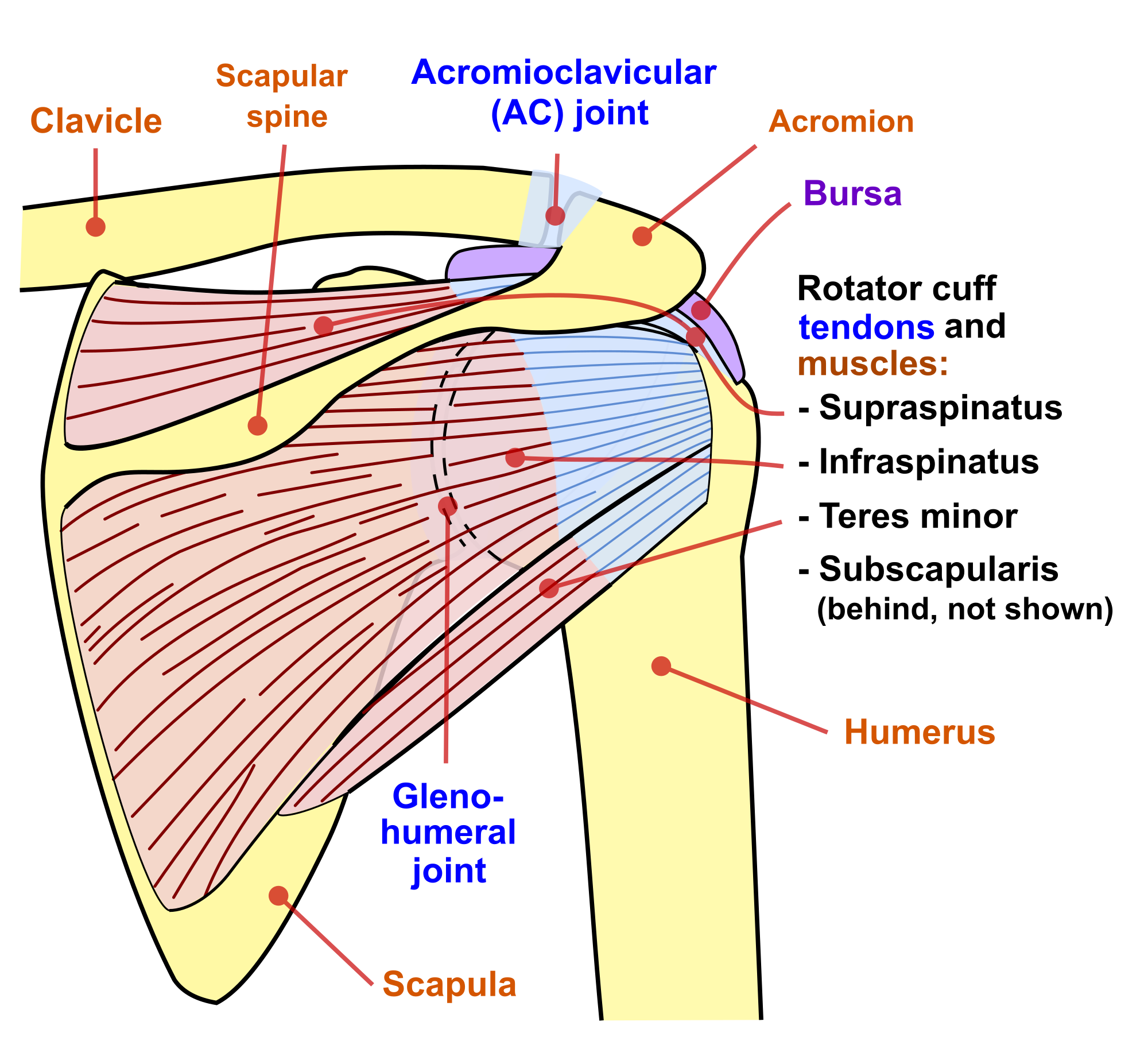
Anatomy Of Shoulder Blade _ Learn anatomy of the scapula with quizzes ...