10 Best Animal Coloring Pages for Toddlers: Benefits, Tips, and Top Picks
Animal coloring pages are one of the most accessible and enriching activities you can introduce toddlers. Beyond keeping little hands busy, they serve as a powerful developmental tool that supports fine motor skills, creativity, and early learning. Whether you are a parent, educator, or caregiver, incorporating animal-themed coloring pages into a toddler's routine is a simple step with lasting benefits. Here is a curated listicle of the top reasons and categories that make animal coloring pages an essential part of early childhood development.
1. Farm Animal Coloring Pages
Farm animals such as cows, pigs, chickens, and horses are among the first creatures toddlers learn to recognize. Coloring pages featuring these familiar animals help reinforce early vocabulary and animal identification. The simple, bold outlines typically used in farm animal illustrations ideal for toddlers who are just beginning to develop their grip color coordination Pairing the activity with animal sounds turns it into an interactive learning session engages multiple senses at once.
2. Wild Animal Coloring Pages
Lions, elephants, giraffes, and zebras ignite a sense of wonder in young children. Wild animal coloring pages introduce toddlers to creatures they may not encounter in everyday life, broadening their understanding of the natural world. These pages often come with simple background elements such as trees or grass which offer additional opportunities for creative expression. Using these pages alongside books or educational videos about safari animals can create a rich, immersive learning experience.
3. Ocean>
From clownfish and dolphins to sea turtles and whales, ocean animal coloring pages expose toddlers to the diversity of marine life. The flowing shapes of underwater creatures and plants provide a visually stimulating canvas encourages color exploration. Parents can use this opportunity to discuss concepts like habitats, water and conservation age-appropriate terms. Ocean-themed pages particularly effective at sparking imaginative play and storytelling.
4. Pet>
Dogs, cats, rabbits, and hamsters hold a special place in the hearts of most toddlers, especially those who have pets at home. Coloring familiar companion animals builds an emotional connection to the and motivates toddlers to engage more enthusiastically. pages can also as a gentle way to introduce concepts of responsibility and empathy toward animals. The relatability of pet animals makes this category of the most popular among children.
5. Forest>
Deer, foxes, owls, and bears are common characters in children's stories making forest animal coloring pages both educational and narratively engaging. Toddlers who familiar with woodland creatures from their favorite books will feel natural connection to these illustrations. The varied and textures of forest animals, from spots on a fawn to the stripes on a raccoon's tail, encourage children to experiment with different colors and techniques This category is especially useful for teaching children about seasons nature.
6. Insect and Bug
Butterflies, ladybugs, bees, and caterpillars are endlessly fascinating to toddlers, and coloring pages featuring these small creatures are an excellent way to channel curiosity. Insect coloring pages often include symmetrical patterns, particularly butterfly wings, which provide a natural introduction to early math concepts like symmetry and patterns. These pages can be paired with outdoor observation activities where toddlers look for real insects in their environment. Discussing the role of insects in nature, such as pollination, adds educational layer to a fun activity.
7. Baby>
There something universally appealing about baby animals, and toddlers are no exception this charm. Coloring pages featuring puppies, kittens, ducklings, and foals are designed soft, rounded features that are especially attractive to young children. These typically simple enough for beginners while still offering enough detail to hold toddler's attention. Baby pages naturally open conversations about growth, families, and nurturing, all of which are important socialemotional learning topics for age group.
8. Dinosaur
Dinosaurs captivate toddlers in unique way, combining of fantasy and science into thrilling subject. Coloring pages featuring T-Rex, Triceratops, Brachiosaurus, and other popular species giveddlers a creative outlet while introducing them to prehistoric life. Because dinosaurs are not bound by realistic expectations, toddlers feel free to use any colors they choose, which promotes creative confidence and self-expression. Dinosaur coloring activities pair well with simple discussions about history, fossils, and the concept of extinction9. Bird
Birds offer of the most colorful and diverse subjects for toddler coloring pages. From parrots and flamingos to penguins and eagles, the variety within category is virtually limitless. Coloring birds encourages toddlers to experiment with vibrant, contrasting color combinations, when working on tropical Birdthemed pages also lend themselves well to discussions about flight, migration, and habitats, offering cross-disciplinary learning opportunities that span science and geography basic level.
10. Animal Alphabet
Combining with letters the alphabet is of the most effective ways to make early literacy engaging memorable. Animal alphabet coloring pages, featuring an alligator for "A," a bear for "B," and so on, reinforce letter recognition while keepingddlers entertained with beloved characters. This format bridges the gap between creative play and structured learning, making it a favorite preschool classrooms and home learning environments alike The repetition association built through these activities lay strong foundation for reading readiness in years ahead.
Printable Baby Animals Coloring Pages (Updated 2021)
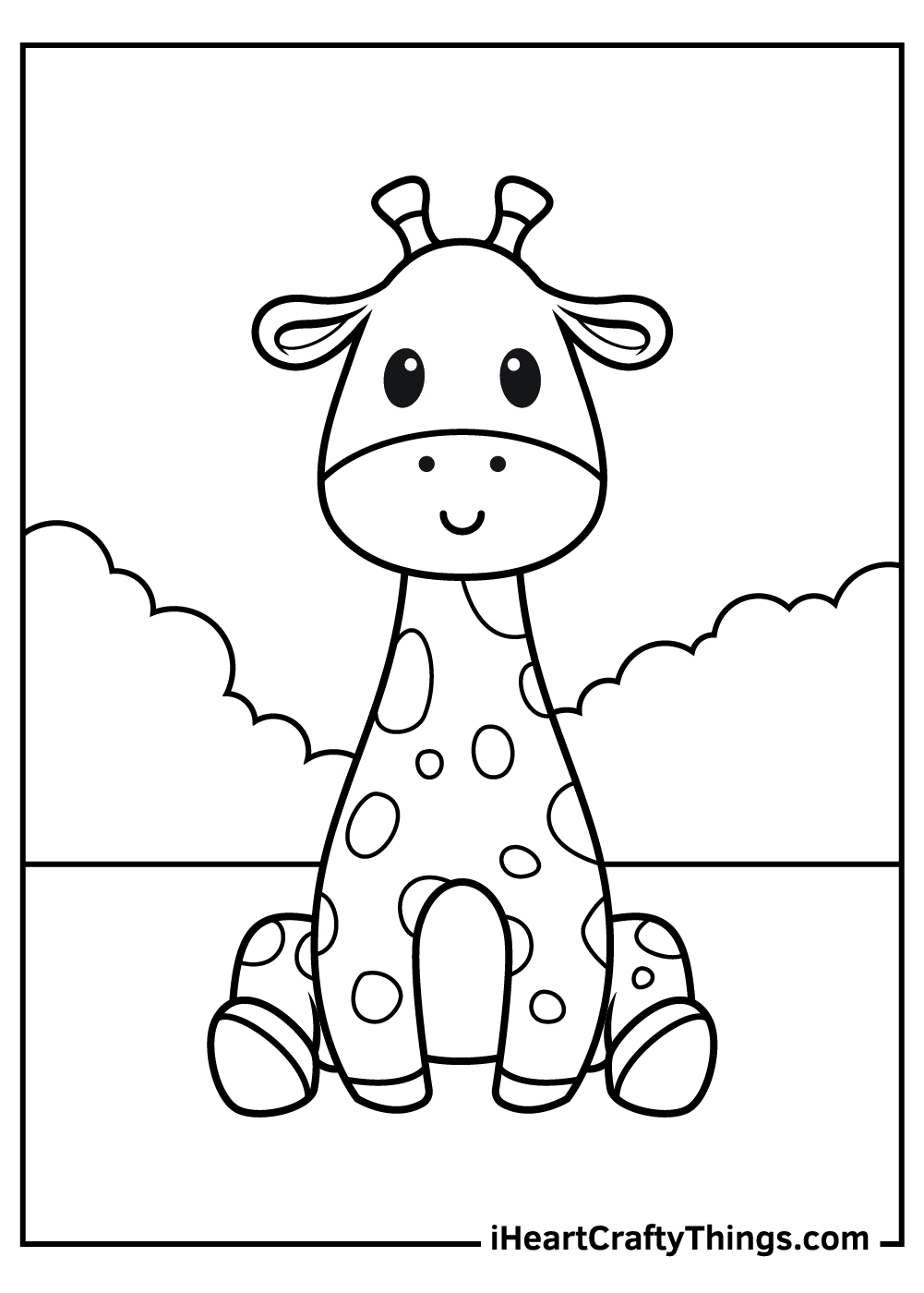
baby printable iheartcraftythings